
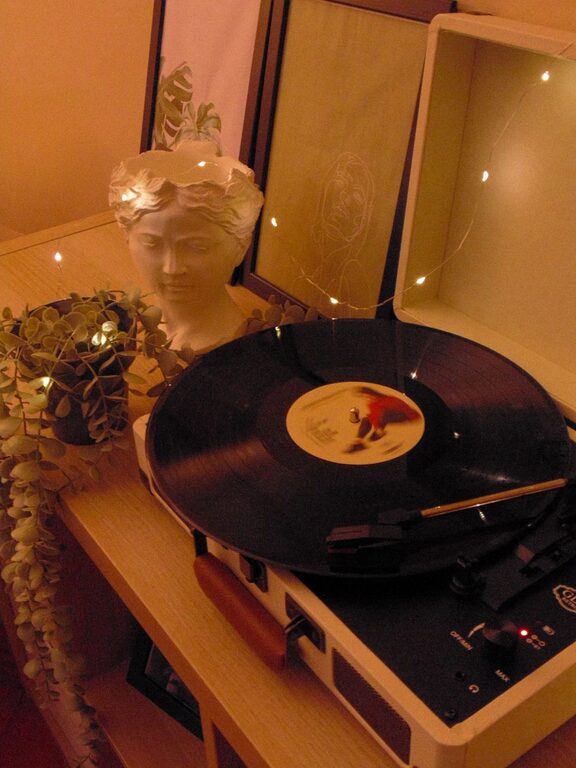
A relaxing evening playlist can help mark the transition from a busy day to a calmer night. The right combination of songs can make dinner preparation feel more enjoyable, create a peaceful atmosphere while reading, or provide a gentle background for winding down before bed.
Creating one does not require expert music knowledge. The key is to choose songs that feel comfortable, arrange them thoughtfully, and adjust the playlist to match your evening routine. With a little planning, you can build a collection that feels personal and easy to enjoy.
Start With the Mood You Want
Before adding songs, think about the atmosphere you want your playlist to create. “Relaxing” can mean different things to different people. You may prefer soft acoustic music, gentle instrumental tracks, mellow jazz, or calm electronic sounds.
Ask yourself a few simple questions:
– Do I want the music to be quiet and peaceful?
– Should it feel warm and cozy?
– Do I want familiar songs or new discoveries?
– Will I listen while reading, cooking, talking, or getting ready for bed?
– Should the playlist help me focus or simply provide background sound?
These answers will give your playlist direction. For example, a playlist for quiet reading may work best with instrumental music, while an evening spent with friends may suit soft songs with relaxed vocals.
Choose a Comfortable Starting Point
The first song sets the tone, so choose it carefully. A good opening track should feel welcoming rather than sudden or intense. Avoid beginning with a song that has a very loud introduction, fast beat, or dramatic change in volume.
Look for an opening song with:
– A gentle rhythm
– A smooth introduction
– Moderate volume
– A familiar or pleasant sound
– A mood that matches the time of day
You can think of the first song as an invitation to slow down. It does not need to be the most relaxing track in the playlist. Instead, it should guide you naturally from daytime activities into a calmer setting.
Build Around a Relaxed Tempo
Tempo is one of the most important parts of a relaxing playlist. Songs with a steady, slower pace often create a calmer listening experience than tracks with rapid beats or frequent changes.
This does not mean every song must be slow. A playlist made entirely of very quiet songs may begin to feel flat. Instead, create a gentle flow by mixing:
– Slow acoustic songs
– Soft instrumental pieces
– Mellow soul or jazz tracks
– Calm folk music
– Light ambient sounds
– Relaxed versions of familiar songs
Place slightly more rhythmic songs between quieter tracks to keep the playlist moving. The overall pace should feel unhurried, even when the tempo changes.
Select Songs With a Consistent Sound
A playlist feels more relaxing when its songs share some qualities. This does not mean every track has to sound identical. Variety can make the experience more interesting, as long as the changes are not too abrupt.
Consider grouping songs by one or more of these features:
Similar Instrumentation
Songs that use acoustic guitar, piano, strings, or soft percussion can blend naturally. If you enjoy electronic music, choose tracks with smooth textures and limited sharp effects.
Gentle Vocals
Soft, clear vocals can add warmth without becoming distracting. If you find lyrics too engaging in the evening, use instrumental versions or songs with minimal vocals.
Balanced Volume
Avoid placing a very loud or heavily produced song next to a quiet track. Large volume differences can interrupt the mood and force you to adjust the controls.
Related Emotional Tone
Songs can be different while still sharing a similar feeling. For example, peaceful, hopeful, cozy, and reflective tracks often work well together. You may want to avoid songs that feel tense, aggressive, or emotionally intense if your goal is to relax.
Use Familiar Favorites and New Discoveries
A personal playlist should include music you already enjoy. Familiar songs can create a sense of comfort and make the playlist feel connected to your daily life.
At the same time, add a few new tracks to keep the collection fresh. You might discover them through music recommendations, album playlists, radio stations, or suggestions from friends.
A useful balance is to include about two-thirds familiar songs and one-third new music. This gives you enough variety without making the entire playlist feel unfamiliar.
When adding a new song, listen to it at least once before placing it in the final playlist. A track may sound relaxing at first but contain a sudden change, strong lyrics, or an ending that does not suit the rest of the collection.
Arrange the Playlist Like a Gentle Journey
Song order can make a major difference. Instead of adding tracks randomly, arrange them so the mood changes gradually.
A simple structure might look like this:
- **Opening:** Warm, welcoming songs that help you shift out of daytime mode.
- **Middle:** The calmest and most comfortable part of the playlist.
- **Late evening:** Quiet, spacious songs with a slower feel.
- **Closing:** Soft tracks that make it easy to end the listening session.
You do not have to follow this pattern exactly. The best order depends on how you use the playlist. However, gradual transitions usually feel smoother than moving suddenly from one style to another.
Pay attention to the endings and beginnings of songs. Tracks that fade out can work well beside songs with gentle openings. If two songs have noticeably different sounds, place a more neutral track between them.
Choose the Right Playlist Length
The ideal length depends on your evening routine. A short playlist of 30 to 45 minutes may be enough for a meal or a reading session. A longer playlist of two to three hours can provide background music throughout the evening without requiring frequent changes.
You can also create several versions:
– A short playlist for a quick break
– A dinner playlist with a warm, social mood
– A longer playlist for reading or creative activities
– A quiet late-night playlist
Multiple playlists make it easier to match the music to your plans. They also prevent one collection from becoming too repetitive.
Add Non-Music Sounds Carefully
Some people enjoy adding rain, ocean waves, fireplace sounds, or other gentle background audio. These sounds can add atmosphere, especially when used between songs or at the beginning and end of a playlist.
Use them sparingly, since sound effects may become distracting over time. Choose recordings with consistent volume and no sudden noises. If you include nature sounds, consider placing them at the end of the playlist to create a calm closing section.
Test and Refine Your Playlist
After creating the first version, listen to it from beginning to end. Notice where your attention shifts or where the mood changes too quickly.
Ask yourself:
– Does the opening feel inviting?
– Are any songs too loud or energetic?
– Do the transitions feel natural?
– Are there tracks you tend to skip?
– Does the ending feel peaceful?
– Is the playlist long enough for its purpose?
Make small changes rather than trying to perfect everything at once. Remove songs that feel out of place, move tracks into a better order, and adjust the balance between familiar and new music.
It can also help to test the playlist in the setting where you plan to use it. A song that sounds ideal through headphones may feel too bright or busy when played softly in a room.
Keep the Experience Simple
A relaxing playlist should make your evening easier, not create another task. Once you are happy with the collection, save it with a clear name and keep the volume comfortable.
You may want to turn off shuffle if you carefully arranged the songs. On the other hand, shuffle can be useful when you want a slightly different experience each time. Both options work well, so choose the one that feels most convenient.
Most importantly, let the playlist change over time. Remove songs that no longer fit and add new ones when you find them. A playlist becomes more meaningful when it grows with your habits, preferences, and favorite evening moments.
About the Author