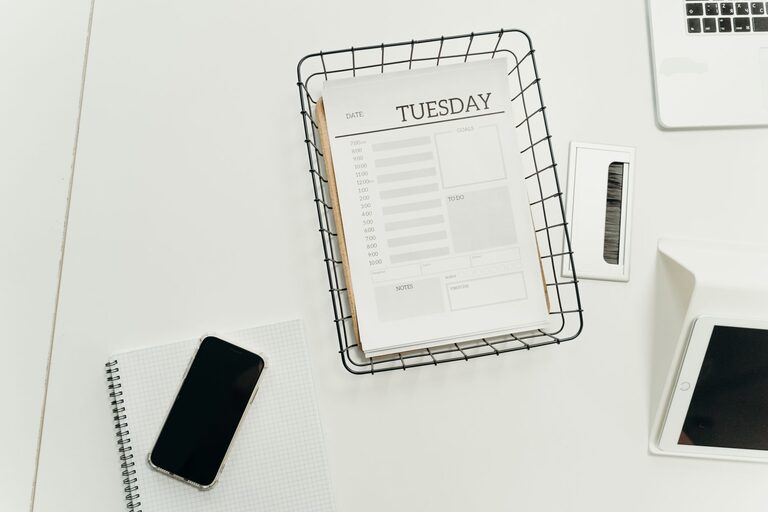

A screen-light evening does not mean avoiding all technology perfectly. It means creating a few hours with less scrolling, streaming, gaming, and digital multitasking so you can focus on rest and offline activities.
With a little planning, you can make your evening feel calmer without making it complicated. The goal is not to follow strict rules. It is to design an enjoyable routine that helps you slow down and be more present.
What Is a Screen-Light Evening?
A screen-light evening is a planned period when you use phones, computers, televisions, and tablets less than usual. You might still use a device for a necessary task, such as checking an important message or setting an alarm. However, most of the evening is spent on activities that do not require a screen.
This approach can be flexible. Some people may choose to stop using entertainment screens after dinner, while others may set aside one hour before bed. The best plan is one that feels realistic and supports your daily needs.
Start by Choosing a Simple Goal
Before planning your evening, decide what you want to change. A clear goal makes it easier to choose activities and avoid automatic screen use.
Your goal could be to:
– Spend more time talking with family or friends
– Read a book instead of watching another episode
– Finish a hobby or household project
– Create a quieter transition into bedtime
– Avoid checking work messages after a certain hour
– Make more time for reflection and planning
Keep the goal specific. “Use my phone less” can be difficult to measure, while “Keep my phone away from the table during dinner” gives you a clear action to follow.
Choose a Screen-Free Time Window
Select a time period that matches your schedule. You do not have to begin with an entire evening. Starting with 30 minutes or one hour can make the habit easier to maintain.
Consider these options:
– One hour after dinner
– The final hour before bedtime
– A screen-free meal followed by an offline activity
– Two evenings each week
– A weekend evening with limited technology
If you need your phone for family communication, work responsibilities, or travel information, plan around those needs. A screen-light evening should reduce unnecessary use, not create extra stress.
Prepare Your Space
Your environment can make the plan easier. If screens are always within reach, you may use them without thinking. A few small changes can encourage different choices.
Try the following:
– Charge your phone away from the main seating area
– Turn off nonessential notifications
– Place the television remote in a drawer
– Keep books, puzzles, or craft supplies visible
– Set up a comfortable chair for reading
– Put a notebook and pen on the table
– Use a lamp or soft lighting for a relaxed atmosphere
You can also let household members know about your plan. Agreeing on a shared screen-light period may make the evening more enjoyable and reduce interruptions.
Plan Activities You Will Actually Enjoy
A screen-light evening works best when it includes appealing alternatives. If you simply remove screens without deciding what to do instead, boredom may quickly lead you back to your phone or television.
Make a short list of activities that are easy to begin. For example:
– Read a novel, magazine, or printed article
– Listen to music, radio, or an audiobook
– Cook a simple meal or prepare something for the next day
– Work on a puzzle, model, or craft
– Write in a journal
– Draw, sketch, or practice a musical instrument
– Play a board game or card game
– Have a conversation over tea or dessert
– Organize a small area of your home
– Take a relaxed walk
– Stretch or practice gentle movement
– Plan a weekend outing
Choose activities based on your energy level. After a demanding day, you may prefer listening to music or reading. On a more energetic evening, you might enjoy cooking, cleaning, or working on a hobby.
Build a Loose Evening Schedule
A simple structure can help you move from one activity to another without relying on screens for entertainment. Your schedule does not need to be exact.
Here is an example:
6:30 p.m. — Finish Dinner
Eat without keeping a phone beside your plate. If you live with others, use this time for conversation. If you eat alone, focus on the meal, music, or a printed article.
7:00 p.m. — Tidy Up
Spend 10 to 15 minutes clearing dishes, preparing clothes for the next day, or handling another small task. Keeping this step brief prevents the evening from becoming a long list of chores.
7:20 p.m. — Enjoy an Offline Activity
Choose one main activity, such as reading, baking, playing a game, or working on a hobby. Give yourself permission to focus on it without trying to be productive in several other ways.
8:30 p.m. — Slow Down
Move to a quieter activity. You might write in a journal, prepare a drink, listen to calm music, or plan tomorrow’s priorities on paper.
9:00 p.m. — Prepare for Bed
Complete your usual nighttime routine and keep screens out of reach if possible. A consistent ending can make the screen-light habit feel natural.
Make Phone Use More Intentional
You do not have to treat your phone as completely off-limits. Instead, decide when and why you will use it.
Before picking up your phone, ask yourself:
– What do I need to do?
– Can this wait until tomorrow?
– Will this help me enjoy the evening, or interrupt it?
– Is there an offline option?
If you need to check a message, do that task and put the phone away again. You can also use practical settings, such as a do-not-disturb schedule, app limits, or a simple alarm clock instead of your phone.
Include Other People
Screen-light evenings can be a shared activity. Invite family members, roommates, or friends to participate in a way that feels comfortable for everyone.
Ideas include:
– Cooking a meal together
– Playing a card game
– Taking a neighborhood walk
– Sharing stories from the day
– Working on separate hobbies in the same room
– Reading quietly together
– Planning a future outing
Do not pressure others to follow the same routine. A shared plan works best when it leaves room for different preferences and schedules.
Expect Some Imperfect Evenings
Plans may change. You may need to answer an important message, finish an online task, or watch a program you have been looking forward to. That does not mean the plan failed.
The purpose of a screen-light evening is to create more choice and balance. If you use a screen for part of the evening, simply return to your routine when you are ready. Avoid turning one exception into a reason to abandon the habit completely.
Review and Adjust Your Routine
After trying a few screen-light evenings, consider what worked and what did not. You might discover that your plan needs a different time, shorter duration, or better activity choices.
Ask yourself:
– When did I feel most relaxed?
– Which activities held my attention?
– What made screen use difficult to avoid?
– Did I need to prepare anything earlier?
– Would a shorter or longer screen-light period work better?
Use your answers to create a routine that feels natural. A successful evening is not one with perfect screen avoidance. It is one that gives you time to rest, connect, and enjoy activities beyond the digital world.
About the Author