
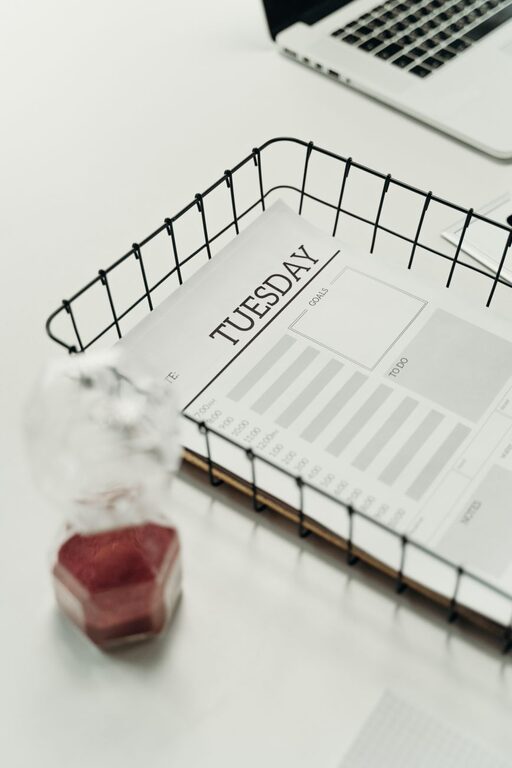
A workday can feel very different depending on how it begins and ends. Starting with a clear plan can help you focus, while a thoughtful end-of-day routine can make it easier to stop working and prepare for tomorrow.
You do not need a complicated system or a long list of habits. A few small, repeatable actions can create structure, reduce distractions, and help you use your time with greater purpose.
The best routine is one that fits your schedule and feels realistic. Start with a few simple steps, then adjust them as you learn what works for you.
Why Workday Routines Matter
Workday routines create helpful boundaries around your time and attention. Without them, it is easy to begin the day by reacting to messages or finish the day with unfinished tasks still on your mind.
A morning routine can help you:
– Decide what deserves your attention
– Begin work with less confusion
– Protect time for important tasks
– Reduce unnecessary decision-making
An end-of-day routine can help you:
– Review what you completed
– Capture unfinished work
– Prepare for the next day
– Create a clearer stopping point
These routines are not about being busy every minute. They are about making your workday more intentional and manageable.
Simple Routines to Start Your Workday
1. Arrive Before You Begin
Give yourself a few minutes to settle in before starting your first task. If you work from home, this might mean stepping away from your personal morning activities and preparing your workspace. If you commute, take a moment to organize your desk before opening your inbox.
Use this time to:
– Get water or coffee
– Clear obvious clutter
– Open the tools you need
– Put away items that may distract you
A calm starting point can make the first part of the day feel less rushed.
2. Check Your Schedule
Look at your calendar before diving into messages or tasks. Notice meetings, deadlines, and any blocks of time that are already committed.
Ask yourself:
– What time is available for focused work?
– Which meetings require preparation?
– Are there any deadlines today?
– Do I need to leave space for unexpected requests?
This quick review gives you a realistic view of the day. It also helps you avoid planning more work than your schedule can support.
3. Choose Your Top Priorities
Select two or three important outcomes for the day. These should be tasks that make a meaningful difference, not simply items that are easy to check off.
A useful priority might be:
– Drafting the first version of a report
– Completing a key client follow-up
– Reviewing a project plan
– Solving a problem that is delaying other work
Write your priorities somewhere visible. Keep the list short enough that you can remember it. If everything is labeled urgent, it becomes harder to know where to begin.
4. Start With a Focused Task
Whenever possible, begin with one meaningful task before spending too much time in your inbox or chat applications. Messages can quickly fill the first part of your day with other people’s requests.
Set a simple focus period, such as 25 or 45 minutes. During that time:
– Work on one task
– Silence nonessential alerts
– Keep unrelated tabs closed
– Note distractions instead of acting on them immediately
You can check messages afterward. This approach gives your own priorities a chance to guide the day.
5. Make Your First Step Small
Sometimes a task feels difficult because the starting point is unclear. Break it into one visible action.
For example:
– Open the document and write three headings
– List the questions you need to answer
– Gather the files for a review
– Send one message requesting missing information
A small first step creates movement. Once you begin, the rest of the task often feels easier to manage.
Simple Routines to End Your Workday
1. Review What You Completed
Spend a few minutes looking back at the day. Note completed tasks, progress made, and anything that needs attention later.
This review is useful even when the day did not go as planned. You may have handled an unexpected issue, helped a colleague, or moved a long-term project forward. Recognizing that progress gives you a more accurate view of your work.
You can use a short list:
– Completed
– In progress
– Waiting for someone else
– Needs attention tomorrow
2. Capture Open Tasks
Unfinished work can stay on your mind after you leave. Write down the next action for each important open task.
Instead of writing “finish project,” try something more specific, such as:
– Compare the two draft schedules
– Add examples to the introduction
– Check the figures in section three
– Prepare questions for the next meeting
A clear next action makes it easier to resume work later. It also reduces the need to remember every detail overnight.
3. Prepare Tomorrow’s Priorities
Before ending the day, choose one to three starting priorities for tomorrow. This does not need to be a complete plan. The goal is simply to give yourself a useful entry point.
Consider:
– What is most important tomorrow?
– What must be done early?
– What preparation can I complete now?
– Is there anything I need to bring, send, or review?
Planning ahead can make the next morning feel more organized. It also helps you avoid spending the first 30 minutes deciding what to do.
4. Clear Your Workspace
A quick reset can make the next workday easier. Put away loose papers, close unnecessary files, and return commonly used items to their usual places.
If you work digitally, consider:
– Closing unrelated browser tabs
– Naming and saving important files
– Moving notes into the right project folder
– Clearing unnecessary notifications
– Updating your task list
You do not need a perfect workspace. A simple reset is enough to create a clear starting point for tomorrow.
5. Create a Clear Stop Signal
Choose a final action that tells your brain the workday is over. This might be shutting down your computer, turning off a desk lamp, taking a short walk, or writing a brief closing note.
A stop signal is especially helpful when your work and personal life share the same space. It creates a physical or mental boundary between working time and personal time.
Try to avoid adding “one last task” after you have completed your closing routine. If something genuinely needs attention, record it for the next workday rather than allowing it to extend your evening without a clear end.
How to Make These Routines Last
A routine is more likely to continue when it is simple, visible, and flexible. Start with two morning actions and two evening actions rather than trying to change your entire schedule at once.
You can also:
– Link the routine to an existing habit
– Use a short checklist
– Keep the same order each day
– Set a gentle reminder
– Review the routine once a week
Do not treat a missed day as failure. Busy schedules, travel, and unexpected events are normal. Return to the routine when you can and adjust any step that feels difficult to maintain.
A Simple Daily Template
Try this basic structure:
Start of the day
- Check your calendar.
- Choose your top two or three priorities.
- Begin one focused task before checking every message.
- Review completed and unfinished work.
- Write the next action for open tasks.
- Choose tomorrow’s starting priorities.
- Reset your workspace and use a clear stop signal.
End of the day
The purpose of these steps is not to control every minute. It is to create a dependable rhythm that supports focused work and a more complete break when the day is done. Small routines, repeated consistently, can make work feel clearer from the first task to the final sign-off.
About the Author